Categories
Statements

Young Pinoy Climate Reality Leaders: PH NDC submission marks the start of the country’s journey toward climate resilience

Young Pinoy Climate Reality Leaders: PH NDC submission marks the start of the country’s journey toward climate resilience

The Youth Cluster of The Climate Reality Project Philippines welcomes the submission of the Philippine Nationally Determined Contribution (NDC) to the United Nations Framework Convention on Climate Change. The submission marks the start of our country’s journey of fulfilling its commitment towards progression and revitalization.


The mitigation target of 75% greenhouse gas (GHG) emissions reduction by 2030, relative to 2010 business-as-usual levels, of which only 2.71% are unconditional, should be the floor of our mitigation targets. Furthermore, this mitigation target must be met through a just transition to renewable energy, ensuring that the most affected people will not be left behind. As we move forward, we expect that these targets will only become more ambitious, in accordance with Article 4 Section 3 of the Paris Agreement. 

The NDC should also be used to transform the Philippines into a truly climate-resilient country, as it is intended to do. The high vulnerability of the Philippines to climate change impacts, as reflected by its high Climate Risk Index, necessitates helping the Filipino people adapt to the changing climate, especially those belonging to the most vulnerable communities.

The government must ensure a just implementation of the different policies and measures to achieve our mitigation and adaptation goals, ensuring the welfare of those at the frontlines of the climate crisis — youth, children, women, differently-abled individuals, indigenous people, poor communities, farmers, fisherfolks, and others. For climate action without social justice is still an injustice. This must be our guiding principle as we work to achieve climate resiliency and a low-carbon economy.

The Youth Cluster of the Climate Reality Project Philippines will continue to engage in the NDC process, particularly in developing the NDC roadmap, which will contain the implementation plan of the NDC. An NDC Coordinating Body will be established to monitor the progress of the NDC Implementation. We also echo the pronouncement of our Branch Manager regarding the willingness of the Climate Reality Leaders under our cluster to ensure that we will meet the goals of the NDC by helping develop the roadmap, raising awareness at the grassroots level, and doing climate actions in our respective sectors and communities. 

The Youth Cluster will not stop demanding real climate action from the government and making sure that they will be held accountable for their action and inaction. For it is our future at stake, we need to see positive change now.

 
Categories
Press Releases Statements

TCRP PH commits to work with gov’t on reducing carbon emissions by 75%

TCRP PH commits to work with gov’t on reducing carbon emissions by 75%

Quezon City — The Philippines’ first Nationally Determined Contribution (NDC) under the Paris Agreement has been submitted today to the United Nations Framework Convention on Climate Change (UNFCCC) and is now available at the official NDC registry page.

 
The Philippines’ first NDC conveys that the Philippines shall reduce greenhouse gas emissions by 75 percent, 2.71 percent of which is unconditional, from 2020 to 2030, in the sectors of agriculture, waste, industry, transport, and energy.

Reacting to this development, Nazrin Castro, Branch Manager of The Climate Reality Project Philippines, congratulated the Philippine Government for finally submitting its first NDC commitment. She noted, however, that this is just the first step toward ensuring the country’s just transition to a low-carbon and climate-resilient economy.
 
“The Climate Reality Project Philippines reiterates its commitment to work in support of the government’s goal to reduce the country’s greenhouse gas emissions by 75% relative to 2010 levels and its aspiration to peak emissions by 2030.”
NAZRIN CASTRO, THE CLIMATE REALITY PROJECT PHILIPPINES

“The Climate Reality Project Philippines reiterates its commitment to work in support of the government’s goal to reduce the country’s greenhouse gas emissions by 75% relative to 2010 levels and its aspiration to peak emissions by 2030.

Now that the country’s first NDC has been officially submitted to the UNFCCC, it is time for the Climate Change Commission to facilitate a whole-of-government-and-society approach to the development of a comprehensive NDC Roadmap.

This roadmap should hammer out the sectoral policies and measures that will deliver our NDC targets and will spell out detailed plans and timetables for the transition of sectors into a low-carbon economy in line with our aspiration to peak our emissions by 2030. It should also include strategies for accessing international climate finance mechanisms, negotiating the transfer of transformative low-carbon technologies, and developing systems for monitoring, reporting, and valuation of mitigation actions.”

Castro added that the 1,200 Climate Reality Leaders across the country are ready to provide support to the government in developing the NDC Roadmap and raising awareness at the community level of the significance of the NDC to the country’s sustainable economic development.

Categories
Press Releases

QC Lions Club and TCRP PH collaborate to advance garden farming in urban communities

QC Lions Club and TCRP PH collaborate to advance garden farming in urban communities

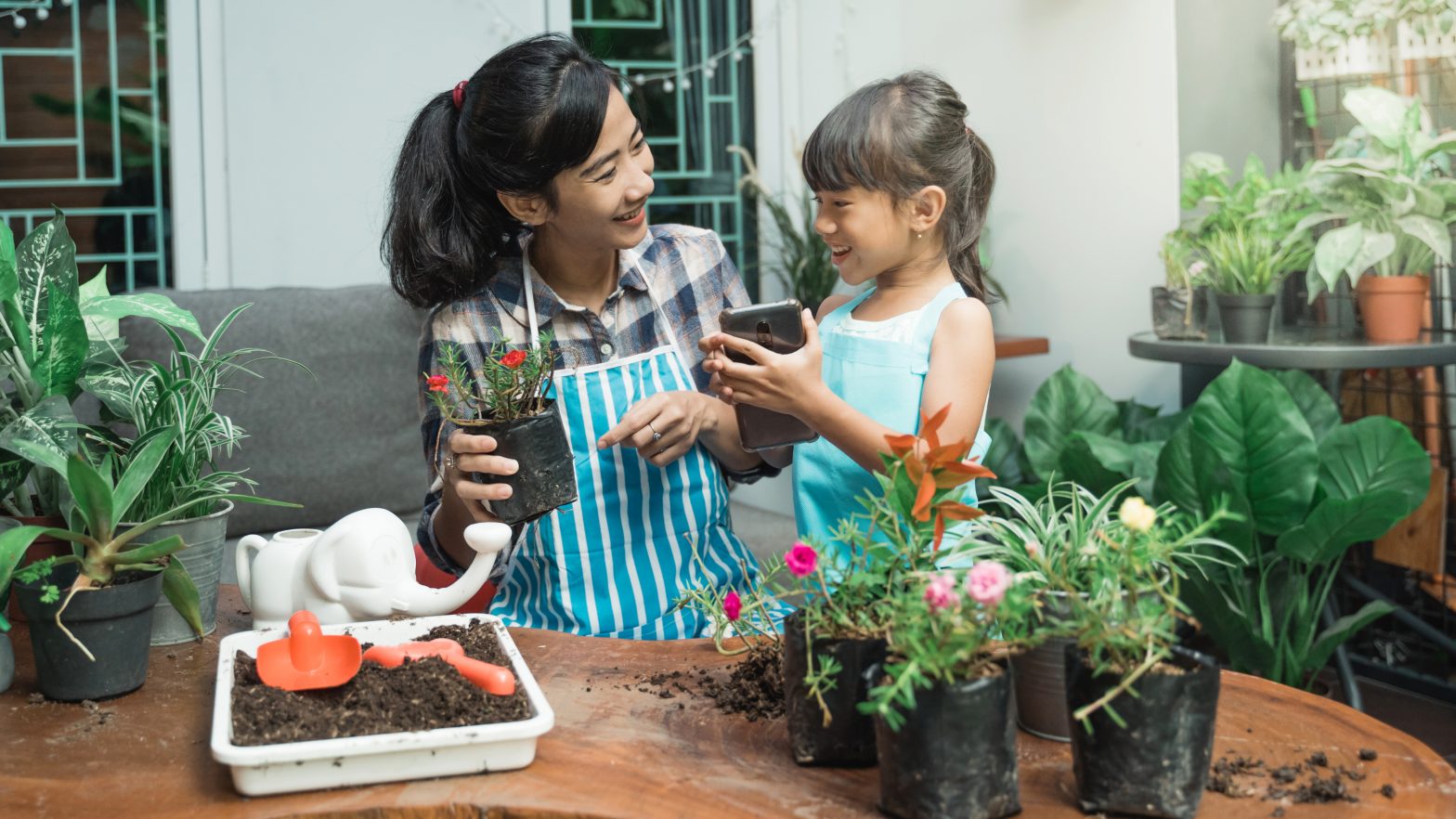
Quezon City — In line with its efforts to harness urban farming and home gardening as a critical strategy for enhancing food security in the country, the Quezon City Cubao Lions Club, Inc., with support of The Climate Reality Project (TCRP) Philippines, have virtually launched its Urban Farming Webinar Series and Adopt A Barangay Program earlier today.


In line with its efforts to harness urban farming and home gardening as a critical strategy for enhancing food security in the country, the Quezon City Cubao Lions Club, Inc., with support of The Climate Reality Project (TCRP) Philippines, have virtually launched its Urban Farming Webinar Series and Adopt A Barangay Program earlier today.

The program, which aims to support the Department of Agriculture’s (DA) “Plant, Plant, Plant Program” by providing urban communities with the necessary knowledge, tools, and equipment on home gardening and farming, will be initially implemented in the communities of Brgy. San Roque and Brgy. Socorro in Quezon City.

To kick off the program, a webinar about the benefits of urban farming at the household level and basic tips on composting was conducted today by Climate Reality Leaders Arjay Hosmillo and Rina Papio for the residents of pilot communities.

“The National Capital Region alone produces 2,175 tons of food waste daily. These wastes end up in landfills and produce methane, a greenhouse gas contributing to climate change,”
RINA PAPIO, GREEN SPACE PILIPINAS

Arjay Castillo, an environment and product compliance consultant, and a volunteer data analyst for the Committee for Information and Research of the ClimatEducate Project the flagship project of Alpha Team Organization Philippines, discussed the necessary steps to start urban gardening, which includes identifying gardening space, picking a planting modality, and picking seeds and seedlings.

Papio, founder of Green Space Pilipinas which advocates for waste diversion and resource transformation, underscored the need to turn the country’s food wastes into nutrient-rich compost that will help keep our soils healthy. “The National Capital Region alone produces 2,175 tons of food waste daily. These wastes end up in landfills and produce methane, a greenhouse gas contributing to climate change,” she noted.

The webinar held today will be followed by a series of virtual workshops for the pilot barangays on nutritional planning, garden-to-table meal planning, and other topics related to urban farming. Speakers and resource persons for these workshops will be coming from the TCRP Philippines’ roster of Climate Reality Leaders who are experts in the agriculture and food security sectors.

Ramon Encarnacion, President, QCLC President, said they have already sent starter seeds to the communities, which will be augmented in the coming months with the help of the DA and Easte-West Seeds. He added that they will also distribute gardening soils with the assistance of the Department of Public Works and Highway.

To learn more about the program and to receive useful tips from our experts, urban farming enthusiasts may watch the full webinar at https://fb.watch/4llMyjvHfx/.

Categories
#RealiTalk Blog Feature

#RealiTalk: Month of the Planet with Chuck Baclagon

#RealiTalk: Month of the Planet with Chuck Baclagon

Happy International Women’s Day! Today, we celebrate the social, economic, cultural, and political achievements of women and we challenge everyone to call out gender bias and inequality.


To show our support and solidarity, we talked to Climate Reality Leader Rachel “Rach” Basas about the intersection of systemic gender inequalities and the two global disruptions affecting us today—the COVID-19 pandemic and the prevailing climate crisis.

Rach is a Gender Consultant at the Asian Development Bank and an Assistant Professional Lecturer at the De La Salle-College of St. Benilde. She is currently working with other gender professionals in enhancing gender mainstreaming at the onset of programming and project planning in Southeast Asian developing countries.

In this #RealiTalk, Rach discussed the gendered issues that emerged during the COVID-19 pandemic, the role of women in battling the health crisis and in ensuring a green, resilient, and inclusive recovery, the current landscape of gender diversity and inclusion in the country’s programs, activities, and projects, and the significance of integrating gender analysis in the country’s climate change response.

This year’s observance of National Women’s Month is set at the backdrop of the COVID-19 pandemic. As a gender and social inclusion professional, what gender issues emerged during this global health emergency?


Rach: COVID-19 has exacerbated gendered vulnerabilities on various fronts. The quarantines and lockdowns had the major impact of aggravating pre-COVID-19 gendered differences and inequalities. The stresses induced by lost jobs and wages and the resulting confinement were found likely to have resulted in anger, frustration, depression, and anxiety, which may have stimulated a rise in negative coping behaviors including violent communication, gender-based violence of intimate partners and dependents,  acts of sexual harassment, assault, and rape. Women and children may have been coerced to participate in online pornography, sex work, or other negative coping methods due to financial hardships brought about by the pandemic.  This is in part due to the disproportionate economic impact of the pandemic upon women and their restricted ability to absorb such economic losses.

With regard to incidents of gender-based violence, the quarantines generated an increasing number of gender-based violence cases. At least 391 cases of violence against women and forty-two cases of rape have been reported. However, these numbers are likely underestimated given that many women will choose, for a number of reasons, not to report experiences of violence. Before COVID-19, at least one in four women have experienced spousal violence in the country. Also, there are hidden numbers and incidents of violence against the LGBTQIA. These remain hidden because they are unreported and underreported.

In addition, the quarantines imposed due to COVID-19 resulted in: (i) decreased access to sexual and reproductive health services such as safe contraceptives; (ii) decreased access to infant and child services, which in turn, led to increased unintended and adolescent pregnancies, maternal and infant and child mortality and morbidity; and (iii) the aggravated burden of unpaid domestic-and-child-care work for women.

The heightened care burden women face in managing the pandemic risks at the household level has taken a toll on their mental health and well-being. A study found that one-fourth of Filipino respondents reported moderate to severe anxiety, while one-sixth reporting moderate to severe depression during the early stages of the pandemic. At greater risk for anxiety and depression are females, 12–21 age group, singles, students, and those subjected to prolonged stay-at-home restrictions.

Meanwhile, COVID-19’s employment impact has had a greater impact on the youth and women. The youth unemployment rate surged to 19.4% in October 2020 from 12.9% in October 2019, and the youth not in employment, education, or training (NEET) rate increased to 20.4% from 17.2% over this same period. Women are disproportionately employed in the affected sectors. Nationwide, about 47.0% of employed men are in service sector jobs, but 77% of employed women work in the service sector.

What are the roles / contributions of women in battling the health crisis and ensuring a green, resilient, and inclusive recovery from the COVID-19 pandemic?


Rach: Did you know that 75% of our country’s frontline health workers are women? Global figures also reflect that majority of healthcare workers comprise women. Hence, through building the capacities of our health workers in providing the care necessary to combat COVID-19, including vaccine administration and safe and sustainable disposal of medical wastes generating from it, women contribute to a resilient and inclusive recovery from the COVID-19 pandemic.

Outside the area of health, women contribute heavily to the national and global GDP. Even women’s unpaid care work, when computed, is found to generate USD 11 trillion globally. These and more figures show how crucial women’s roles are in recovering from COVID-19, but even without these figures, women play prominent roles in battling the health crisis and are key to ensuring an inclusive recovery.

"Women are disproportionately affected by climate change and disasters because of gendered vulnerabilities, as well as the roles and behaviors expected of them in the family and community."
RACH BASAS

A substantial body of research suggests that gender equity and the achievement of other sustainable development goals, such as climate action, are inseparable. Why is it important for climate change adaptation and mitigation, technology transfer, and climate finance to include a gender lens?


Rach: Women are disproportionately affected by climate change and disasters because of gendered vulnerabilities, as well as the roles and behaviors expected of them in the family and community. As such, women and children are 14 times more likely to succumb to disasters compared to men.

Key issues that Filipino women face during disasters are: (i) increased vulnerability to gender-based violence (in normal times 20% of Filipino women between the ages of 15 and 49 report at least one incident of grievous bodily harm in their lifetime); (ii) compromised sexual and reproductive health services and psychosocial counseling; (iii) lack of gender-responsive facilities and products, such as safe and separate sanitation facilities, sleeping quarters, and hygiene and menstrual kits; (iv) increase in unpaid care and community work, such as childcare, caring for sick and elderly family members, securing relief and food, and helping in community disaster response efforts; and (v) limited mobility and skills typically taught to men, such as swimming and climbing, thereby hindering self-rescue and self-defense. These are specific to the country, but certainly, these issues resonate even outside the Philippines. Given these issues, it is extremely important for climate change adaptation and mitigation, technology transfer, and climate finance to include a gender lens.

What is your assessment of the current landscape of gender diversity and inclusion in the country’s programs, activities, and projects?


Rach: I see the Philippines at the forefront of gender equality and women empowerment. The country’s commitment to gender equality is enshrined in the Philippine Constitution, as well as in its laws, policies, and government institutions. Given the integration of this commitment in all the policy instruments of the Philippine government, as well as the societal inclination to empower women by opening opportunities to them, the Philippines remains one of the most progressive states on the front of gender equality.

The World Economic Forum’s Global Gender Gap Report 2020 shows that the Philippines ranks 16th out of 153 economies in closing gender gap in the areas of economic participation and opportunity, educational attainment, health and survival, and political empowerment. In fact, the country has closed 78 percent of its overall gender gap as of 2020, with the remaining 22 percent comprising the country’s low female representation in positions of leadership.

Since the Global Gender Gap Index was introduced in 2006 to serve as the framework for capturing the magnitude of gender-based disparities and tracking their progress over time, the Philippines continues to always be included in the top 20.

More recently, the Gender Diversity Benchmark for Asia recognized our country as the first overall in gender diversity in the workforce among 10 Asian Countries. The report further found that our country has the smallest pay gap between men and women at 10.2%.

"...it is extremely important for climate change adaptation and mitigation, technology transfer, and climate finance to include a gender lens."
RACH BASAS

Are there any support systems and government programs in place to address the gaps in gender mainstreaming in the country? What should we do moving forward to integrate gender into climate change response?


Rach: As mentioned prior, I see the Philippines at the forefront of gender equality and women empowerment. The Philippine Government, through the Philippine Commission on Women, ensures that its branches, bodies, offices, and entities implement a strategy called “gender mainstreaming.”

Gender mainstreaming ensures that the “government pursues gender equality to achieve the vision of a gender-responsive society where women and men equally contribute to and benefit from development.”[1] It requires developing interventions on critical entry points—policies, programs and projects, people, and enabling mechanisms.[2] By utilizing these entry points, gender will be integrated into all stages of development planning processes—from planning to programming, budgeting, implementation, and monitoring and evaluation.

Our recent experience in COVID-19 response shows that the lack of gender analysis of data precluded the design of gender-responsive measures to prevent, contain, and mitigate the threat of infection. In addition, the lack of gender-sensitive and inclusive health care provision remains to be addressed—more specifically, the lack of appropriate facilities and protocols for COVID-19 patients, especially for women, children, persons of diverse sexual orientation, gender identity and expression, and other vulnerable groups. 

Similar to this experience, I see that in integrating gender into climate change response, the conduct of gender analysis is crucial first and foremost. Integrating this process into the conception phase of interventions and responses will enable gender issues to be surfaced. If policymakers, decision-makers, and those at the helm of conceptualizing and planning climate change interventions, responses, and solutions wish to integrate gender, I believe that this is the first step. Through gender analysis, gender issues will arise, and with these issues visible, the responses and interventions can be instruments in addressing those, one gender issue at a time.

Categories
Press Releases

Private sector urged to align operations with PH draft climate plan

Private sector urged to align operations with PH draft climate plan

Quezon City — Private corporations, conglomerates, and small and medium enterprises in the country must align their thrusts, operations, and investment portfolios with the country’s Nationally Determined Contribution (NDC) under the Paris Agreement, which is now submitted to the Office of the President.


This was highlighted by Climate Reality Leaders Rex Barrer, Climate Governance Head of the Institute for Climate and Sustainable Cities, and Sara Ahmed, Finance Advisor to the Vulnerable Group of Twenty Ministers of Finance of the Climate Vulnerable Forum, during yesterday’s virtual forum entitled Climate Targets of the Philippines: A Town Hall Discussion for Corporate Stakeholders on the Philippines’ Nationally Determined Contribution.

The forum was organized by the Sustainarumble Podcast in collaboration with the Society of Sustainability Practicioners with support from The Climate Reality Project Philippines and the Institute for Climate and Sustainable Cities.

“The NDC is being touted by the government as the national industrialization strategy. It would therefore require consideration on how the private sector could actually contribute to that in the long run,”
REX BARRER, INSTITUTE FOR CLIMATE AND SUSTAINABLE CITIES

The Department of Finance and the Climate Change Commission presented last month the draft NDC to stakeholders, which enshrines the country’s commitment to a projected greenhouse gas emissions reduction and avoidance of 75 percent below 2010 levels by 2030.

“The NDC is being touted by the government as the national industrialization strategy. It would therefore require consideration on how the private sector could actually contribute to that in the long run,” Barrer said as he emphasized the need for the private sector to be involved in the NDC process.

Ahmed said that the NDC presents an investment opportunity for the private business sector. “The whole point of the NDC and all these discussions on climate action and climate ambition is really to promote an alternative economic and financial vision,” she said.

Citing the guidelines for sustainable finance framework issued by the Bangko Sentral ng Pilipinas, Ahmed noted that domestic banks are beginning to integrate into its operations safeguards from evolving material hazards of physical climate risk and transition, including stranded assets.

Ahmed also explained that accessing international capital would require SMEs and corporations to transition their portfolios. “More than 100 globally significant banks have coal exit strategies. Most recently, industries are also leaving the oil and gas sectors,” she noted as she explains that investors are now valuing the shift to climate-resilience and low-carbon opportunities.

There are conglomerates in the Philippines—Ayala being the largest one—that are already pursuing the shift to more sustainable investments, Ahmed said. “There is a benefit to shifting early. You get first dibs to new investors and you get more capital to invest in projects that will have higher deals over in the long run than future stranded assets,” she added.

Categories
#RealiTalk Blog Feature

#RealiTalk: National Arts Month with Padma Perez

#RealiTalk: National Arts Month with Padma Perez

February is the National Arts Month, an annual celebration mandated by Presidential Proclamation No. 683 (s. 1991) that aims to promote Filipino artistry and harness the arts as a catalyst for nation-building. 


To join this national observance and for this month’s #RealiTalk feature, we talked to Filipino Climate Reality Leader, poet, and writer Padmapani “Padma” Perez on the critical role of artists in the growing transdisciplinary effort to advance climate action.

Getting people to grasp the enormity of the climate crisis has proved a challenge for scientists. How can artists contribute to the growing interdisciplinary collaboration on advancing climate action, especially in the time of pandemic?


Padma: When people all over the world went into lockdown in early 2020, tweets and memes erupted on the internet reminding everyone (or at least everyone on social media) that it was the work of artists keeping us sane and giving us comfort during the pandemic. The music we danced or sang or cried to, the books we read, the movies we loved and talked about, the photographs that showed us we weren’t alone in this—each of these is a result of someone’s creative labor. The meme made clear that art is part of everyone’s lives.

Artists have the ability to draw our attention to things that matter through words, music, dance, theater, paintings, photographs, sculpture, installations, and more. They have the ability to take something we think we know and turn it on its head so that we are surprised or provoked by their creations. Artists can make us feel seen, recognized, and valued. They have the power to move people, to move our feelings and our thoughts. This is nothing short of magical.

 It’s this ability to focus people’s attention, draw people in, and touch the wellspring of emotion that artists can bring to climate action. Pandemic or not, artists can make powerful works of art that will matter to someone, move across borders, and inspire people to get involved and take action.

What art forms are the most effective tools to help change people’s mindsets and shift culture toward sustainability? How can the government, academe, and private business sector harness these art forms to advance their climate advocacies? 


Padma: I want to flip the question around and ask, what are the tools that government, academe, and businesses can provide for artists to do the work of shifting perspectives and making change from the ground up? What do they have to offer that artists can harness to advance climate advocacies? Can the government open up entry points for creative engagement? As the Poet Luisa Igloria says, “We need to visualize change before we can act on it.”

More than providing establishments with a set of tools, art is itself a way to engage with and reimagine government, academe, and the private business sector. Art’s role in climate advocacy goes beyond being a tool for the creative communication of science and policy. Through making and rearranging things or playing with materials, artists give us other ways to experience and revivify our relationships with one another, with our environments, and other species. Art can also make it possible for people of different backgrounds, ages, and cultures to support one another in a shared cause, even across distance and without meeting face to face. 

Apart from giving us discovery, delight, and new perspectives, art can also challenge, perplex, and rattle us. Art cannot be merely entertaining, decorative, or pretty. Maybe this is what we need to snap us out of complacency and business as usual. Science has already established that business as usual is unsustainable, but real systemic change is moving too slowly. So perhaps we need to be disturbed. And where a superstorm might jolt us out of our false comforts with destruction, art can stir us into action through creation. This is where artists and poets come in.

While the pandemic continues to limit our movement, there are still so many possibilities for engagement between artists, scientists, organizations, academe, governments, businesses, and most importantly, local communities and individuals stuck at home: radio (or podcast) dramas, photostories, flip top, spoken word, public art, illustration, comics, zines, animation and other exciting things that creative people can surely dream up together.

"It’s this ability to focus people’s attention, draw people in, and touch the wellspring of emotion that artists can bring to climate action."
PADMA PEREZ

What are the opportunities and difficulties you’ve encountered bringing together writers, artists, activists, educators, to co-create and collaborate for climate action?


Padma: Creative collaboration is easy to say, but harder to do. At the Agam Agenda, part of our work is to open up spaces for transdisciplinary collaboration between the sciences, arts, and humanities. To do this, we ourselves have to unlearn habits of mind around territoriality (in areas of work), ownership (of concepts and processes), and competition (for resources and audiences). We ask people to come out of their comfort zones and work in contexts and with people that they might not otherwise encounter or even consider reaching out to. This is not a small thing to ask because we’re all up against old structures and boundaries. 

For example, in academe, scientists and scholars are expected to maintain disciplinary boundaries. We’re all still learning how to be interdisciplinary and there are a lot of walls that need to be broken down in the process. Going back to the question on art and tools, maybe art is the sledgehammer that will break these walls down and then bring forth a new architecture for collaborative and mutualistic futures?

Another challenge we face is how the climate change conversation is dominated by colonial paradigms of “development” and sustainability. We can see how this is so detrimental in excluding or not paying enough attention to the experiences of those most vulnerable to climate-related impacts, resulting directly in un/conscious biases, lack of access, injustices in reform or solutions, etc. Often, the places in which climate change is a matter of life and death become invisible. This is partly why the Agam Agenda’s forthcoming book, Harvest Moon: Poems and Stories from the Edge of the Climate Crisis, sought to bring together poems, stories, and lyrical essays from Africa, Asia, the Pacific, and Latin America, written by poets, journalists, scientists, and novelists who bear witness to climate change.

Following the success of the book Agam: Filipino Narratives on Uncertainty and Climate Change, the Agam Agenda is now developing a new international literary anthology on climate change. Can you tell us what to expect from this new book?


Padma: Harvest Moon (out later in 2021) is an anthology of 30 climate narratives (poetry, fiction, and essays) written in nine world languages, prompted by 30 black and white photographs, from 24 countries. Most of the pieces are written in English or Spanish but the book also includes poems and stories originally written in Zapoteca, Kankanaey, Swahili, Bahasa Indonesia, Turkish, French, and Chinese. These are all translated into English.

"Art's role in climate advocacy goes beyond being a tool for the creative communication of science and policy."
PADMA PEREZ

Our contributors include Kathy Jetñil-Kijiner, Yuvan Aves, Leonardo Padura, Irma Pineda, Fiston Mwanza Mujila, and Malebo Sephodi. (Try googling them! They’re incredible!) So readers can expect to find a diversity of world views, imagery, and possible futures in the pages of the book.


We speak to many of the contributors of both Agam: Filipino Narratives and Harvest Moon on Agam the Climate Podcast, which we produce in collaboration with Ground Bravo studios. You can follow the podcast on Spotify. In the podcast, we talk about the piece they contributed to the book, their work, and their reflections on the roles of artists in facing the climate crisis. While we get ready to launch Harvest Moon, we are busily spreading our spores, chasing wild ideas, and organizing sessions that bring into conversation scientists, writers, artists, activists, and educators for climate action. Abangan!